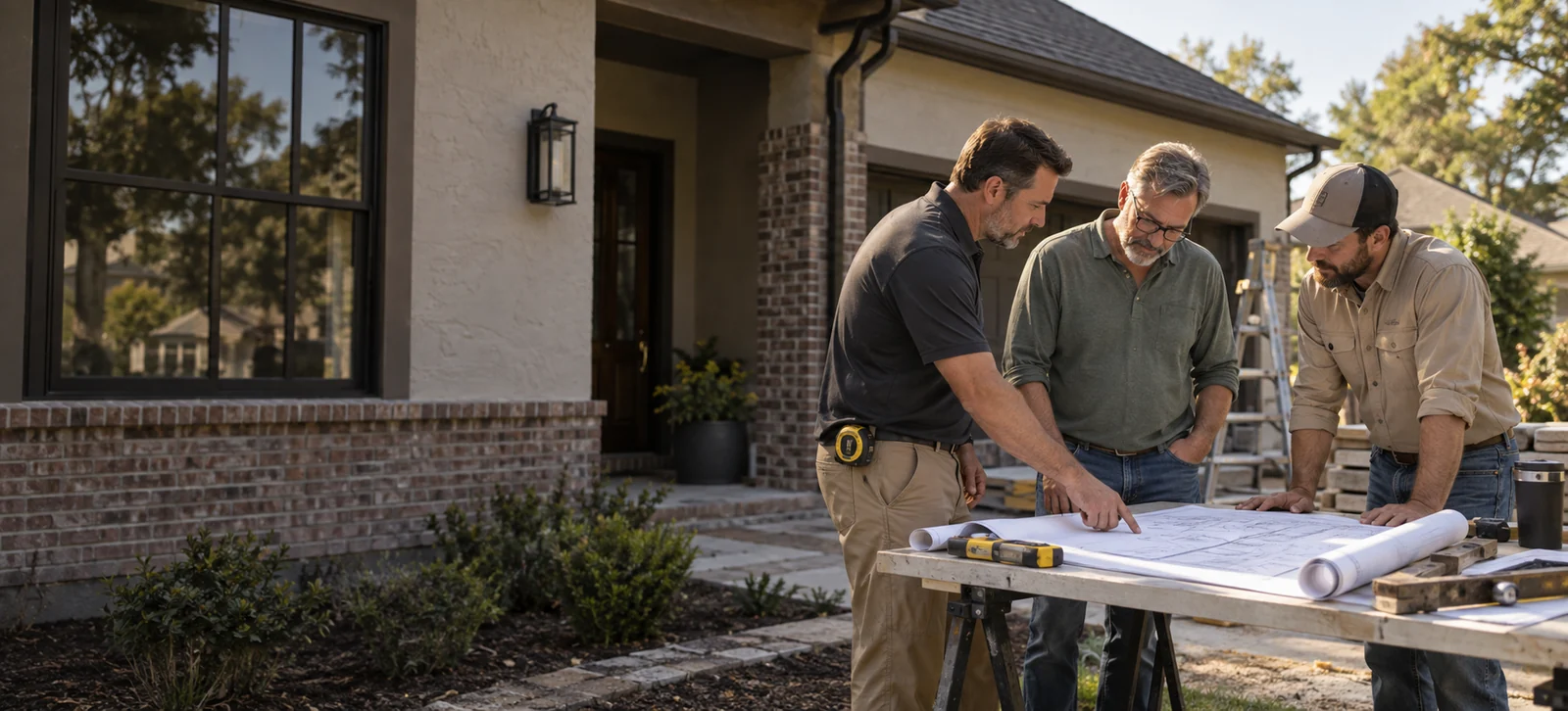
Choosing a general contractor is one of the most important decisions you will make for a renovation, addition, repair, or commercial improvement. The right contractor does more than schedule labor. That team helps define the work, coordinate trades, manage decisions, communicate changes, and keep the project moving toward a finished result that matches the agreed scope.
For property owners in Tampa, St. Petersburg, Clearwater, Largo, and surrounding Tampa Bay communities, local experience matters. Homes and commercial properties across the region vary widely in age, construction type, site conditions, and previous improvements. A thoughtful selection process can help you compare contractors on organization and accountability—not simply on the lowest number at the bottom of an estimate.
Start With a Clear Understanding of Your Project
Before requesting estimates, write down what you want to accomplish and why. A kitchen remodel may begin with a need for better storage and circulation. A commercial renovation may need to support a new tenant, customer flow, equipment, or operational requirements. A home addition may involve questions about how new space connects to the existing structure.
You do not need to arrive with every detail solved. However, contractors can provide more useful guidance when they understand your priorities, preferred timing, must-have features, and any known property concerns. Our general contracting process begins by listening carefully, reviewing the property, and identifying the decisions that need to be made before construction starts.
Questions to Ask Before You Hire a General Contractor
A productive contractor interview should feel like a two-way conversation. You are evaluating the contractor, and an experienced contractor should also be asking detailed questions about the property, the intended use of the space, and your expectations. We recommend asking:
- What experience do you have with this type of project? Relevant experience helps a contractor anticipate sequencing, trade coordination, and common decision points.
- Who will be responsible for my project? Ask who prepares the estimate, who communicates with you, and who oversees work in the field.
- What credentials and insurance apply to the work? Request current documentation and confirm that the contractor is properly qualified for the project being discussed.
- What is included—and excluded—from the estimate? A useful proposal should make the scope understandable and identify allowances or owner-supplied items.
- How are subcontractors and specialty trades coordinated? The answer should show a clear system for scheduling and oversight.
- How will changes be documented? Ask how pricing and schedule effects are communicated before changed work proceeds.
- What decisions must I make before construction begins? Early selections can reduce avoidable delays later.
- How often will I receive updates? Agree on a practical communication rhythm and a primary point of contact.
- How will the site be protected and kept orderly? This is especially important in occupied homes and operating commercial properties.
- What happens at the final walkthrough? Ask how remaining details, documentation, and closeout are handled.
Look Beyond the Bottom-Line Price
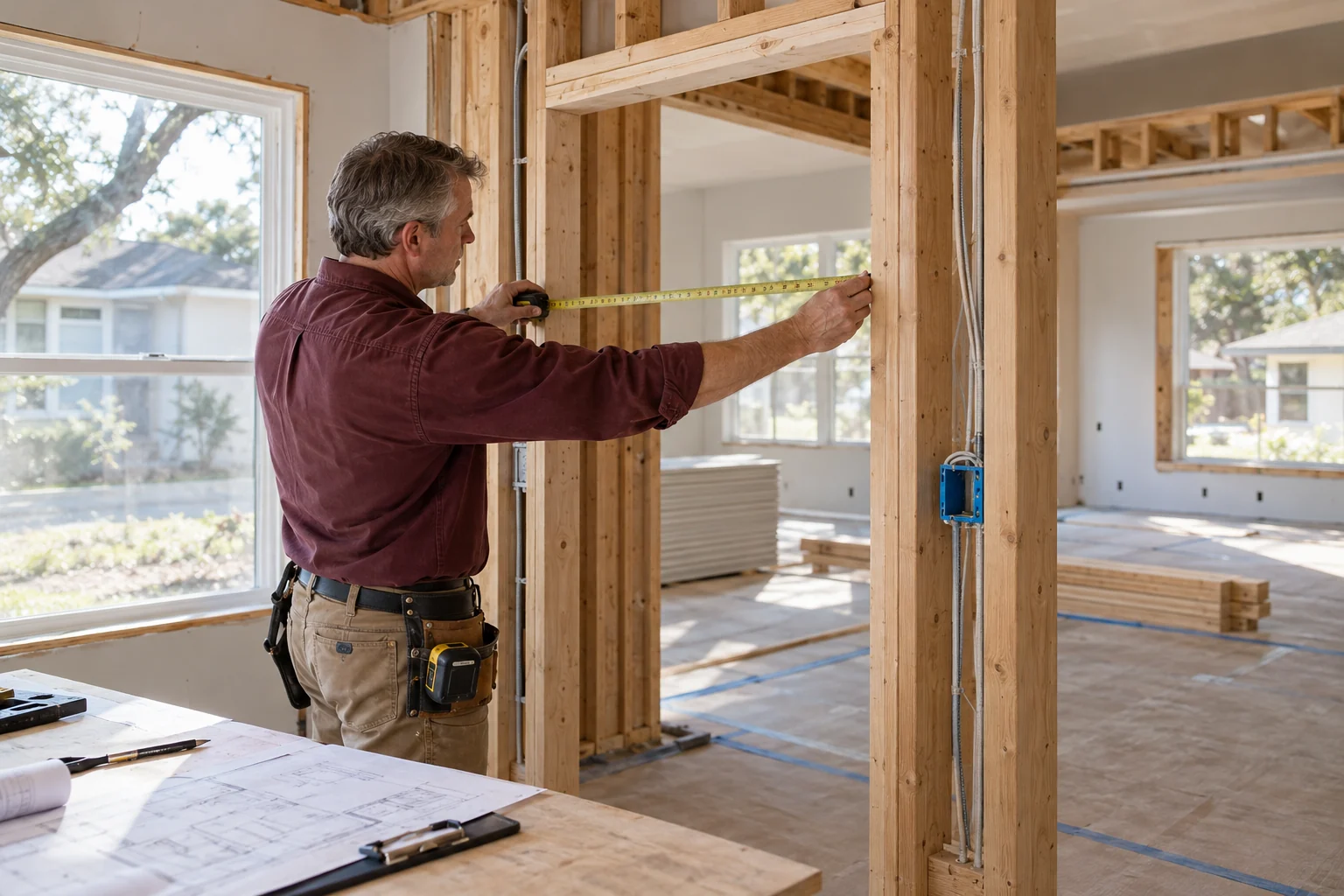
Two estimates can appear to describe the same project while including very different work. One may account for preparation, protection, demolition, disposal, permit-related coordination, finish details, and cleanup; another may leave some of those items unclear. Before comparing totals, compare the scope line by line.
Pay close attention to allowances. An allowance is not automatically a problem—it can be useful when a specific fixture or finish has not yet been selected—but you should understand what it covers. Ask what happens if your final selection is above or below the allowance and how that difference will be documented.
Be cautious about an estimate that is dramatically lower without a clear explanation. It may reflect a legitimate difference in approach, but it can also signal missing scope, unrealistic assumptions, or materials that do not match your expectations. A dependable proposal should help you understand what you are buying.
Verify Credentials, Insurance, and Accountability
Ask a prospective contractor for the license and insurance information relevant to your project, and take the time to verify it. The required credentials can depend on the work being performed. For projects involving specialized systems or trades, ask who will perform that work and how it will be supervised.
You should also understand who stands behind the agreement. Tailor Made Construction Group is a family-owned company serving residential and commercial clients throughout the Gulf Coast region. Our leadership brings decades of combined construction experience, and you can learn more about our background on our company page and review our credentials and professional relationships.
Evaluate Communication Before the Project Starts
The way a contractor communicates during estimating often previews the working relationship ahead. Notice whether appointments are kept, questions receive direct answers, and requested information arrives when promised. Good communication does not mean every answer is immediate; it means responsibilities are clear and follow-up is reliable.
Ask how the contractor handles discoveries behind walls, material delays, owner-requested changes, and schedule updates. Construction involves many moving parts, and even a well-planned project can uncover conditions that were not visible at the start. A disciplined process for documenting decisions is more valuable than a promise that nothing unexpected will ever occur.
Local Knowledge Makes Planning More Practical
Tampa Bay construction is not one-size-fits-all. A renovation in an older St. Petersburg bungalow may present different existing conditions than work in a newer Tampa home or a Clearwater commercial suite. Coastal weather, site access, occupied spaces, material lead times, and local review requirements can all influence the plan.
A contractor who regularly works across the area should be prepared to discuss those factors without overstating certainty. Permit and inspection requirements vary by jurisdiction and scope, so the contractor should identify what needs to be confirmed for your specific project.
Watch for Warning Signs
Slow down if a contractor pressures you to make an immediate decision, avoids written details, asks you to secure permits without a clear reason, or cannot explain who will manage the work. Other concerns include vague payment expectations, reluctance to provide relevant documentation, and verbal promises that do not appear in the proposed scope.
Trust also works both ways. A reputable contractor should be candid when an idea needs further evaluation, when a selection could affect the schedule, or when the desired scope does not align with the working budget. Honest expectation-setting is an important part of professional service.
Choose the Team You Can Work With From Planning Through Closeout
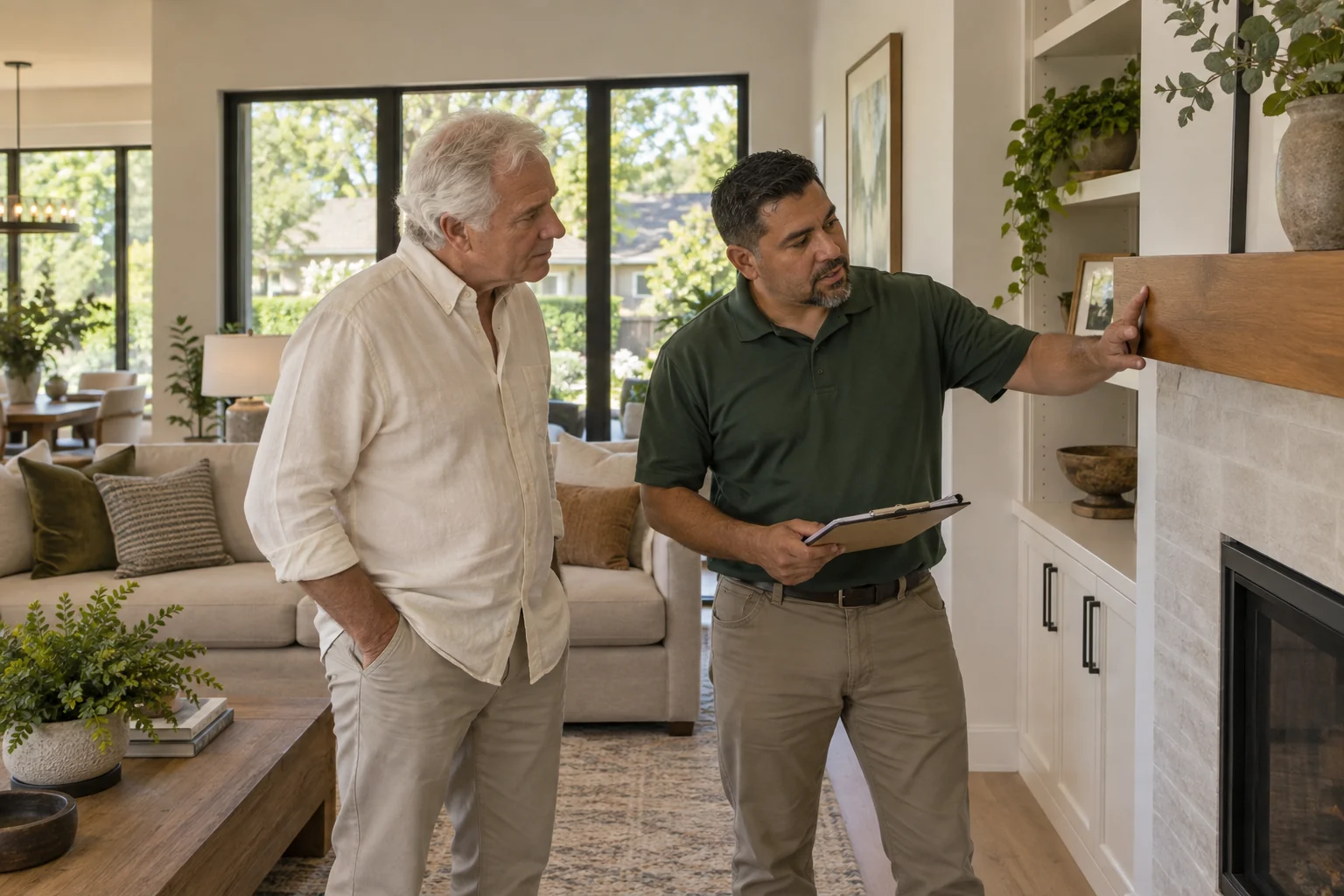
The best contractor for your project is not necessarily the company with the flashiest presentation or the shortest estimate. Look for a team that understands the work, communicates clearly, documents the scope, coordinates the right people, and remains accountable through the final walkthrough.
At Tailor Made Construction Group, we approach each project with careful planning, experienced oversight, and respect for the property and the people who use it. We handle residential and commercial construction throughout Tampa Bay, including Tampa, St. Petersburg, Clearwater, Largo, and nearby communities.
Start the Conversation
Planning a construction or renovation project?
Tell our team what you have in mind. We will discuss the property, the scope, and the next practical step for your project.
Call Us to Schedule a Consultation ↗